An Ode to a Very Small Creature
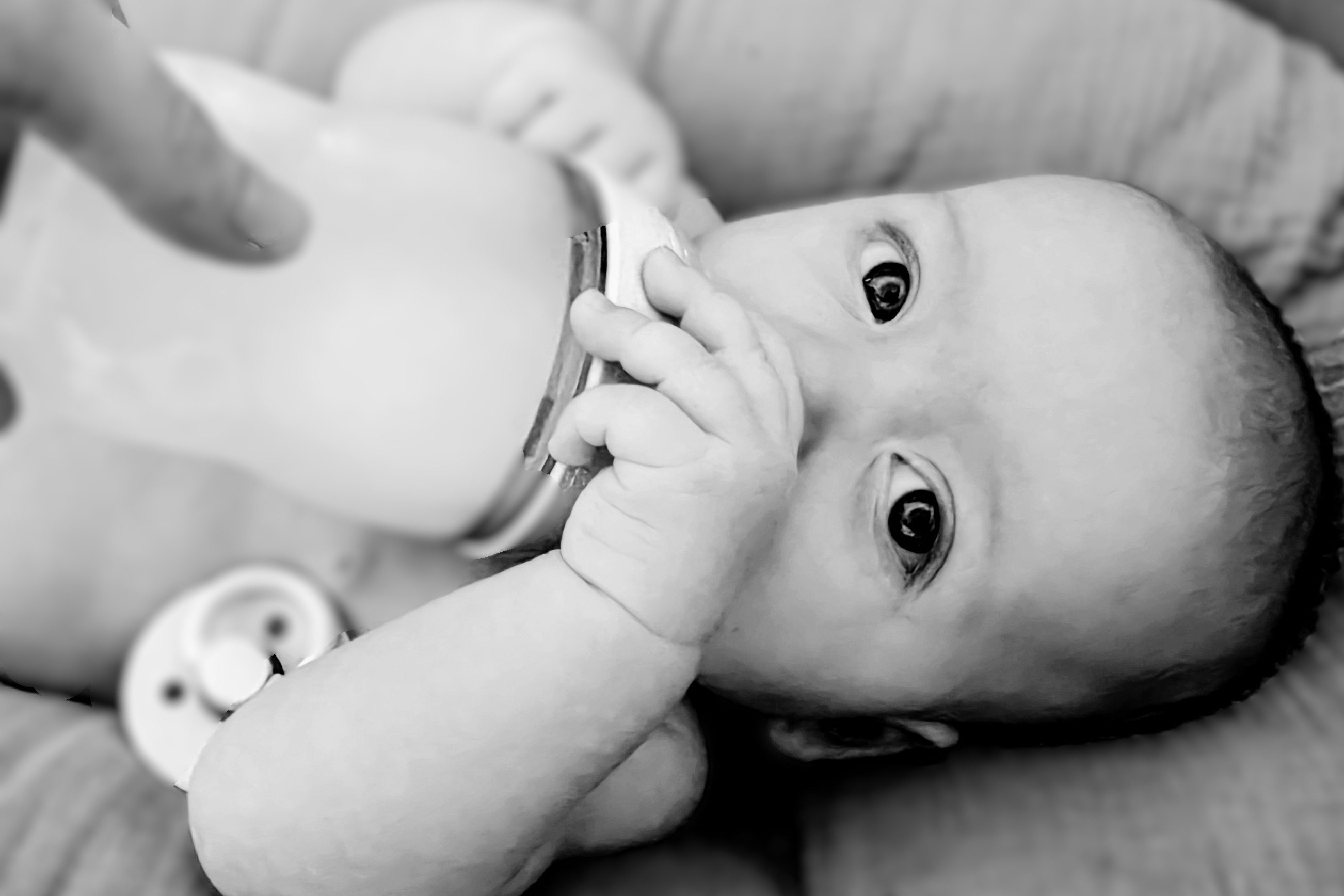
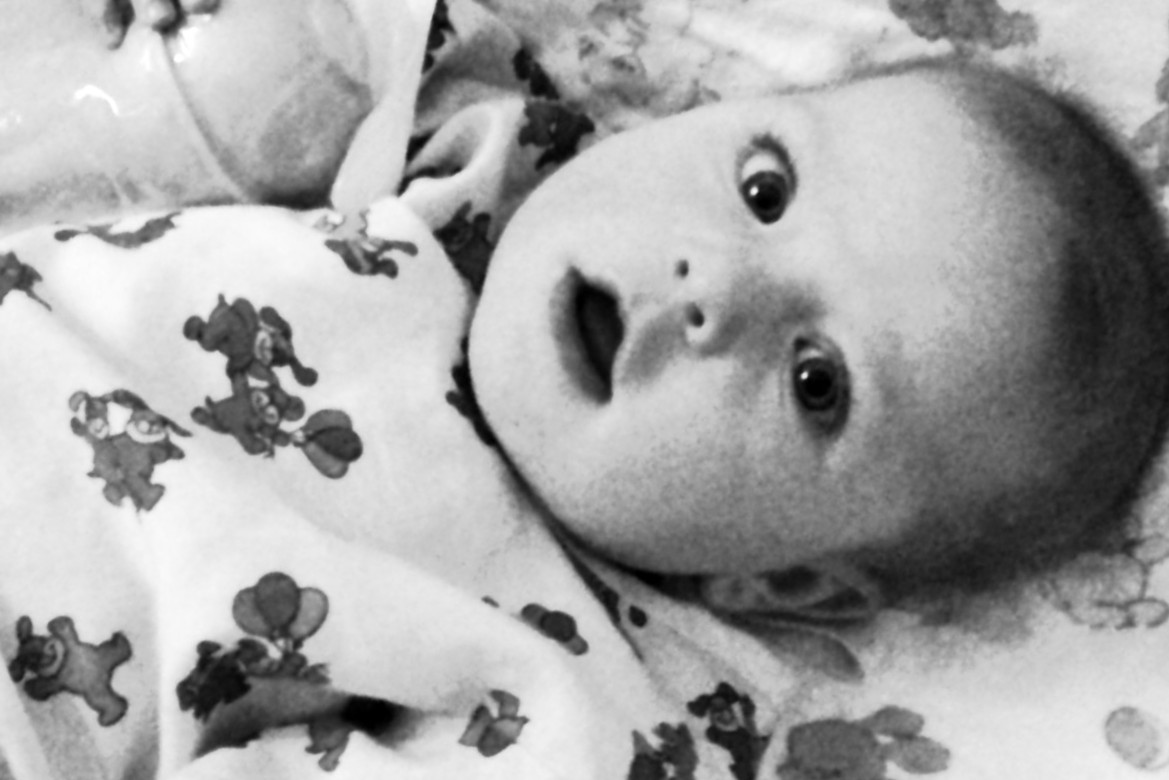
This July, my brother Michael-Tod and sister-in-law, Chloe, made me an aunt again. They named their son Bodhi — Sanskrit for Awakening.
Looking at my nephew, now just three months old, feels like seeing the world for the first time. He feels like mine, even though he isn’t. My own uncle used to — and still does — call us “his babies.” I have a better understanding now of that lovingly possessive statement. Within that very simple utterance, we inherit and entwine generations of caretakers, affection, morality, and memory.
And in this new baby of ours, I catch glimpses of my own daughter in Bodhi’s face — in the shape of him, in the depths of his blue eyes, and in the sound of his laugh. It’s where I find my father and my mother, my grandparents, my sisters and brothers; Chloe, her siblings, and her parents. It is where I find my children … and myself.
There’s a strange kind of milestone in becoming an aunt at almost forty. My life isn’t quite as dramatic as it once was. I’m old enough now to have two children on the cusp of puberty, and the world looks different. It is different. I’m not as self-absorbed as I was in my twenties, nor as misplaced as I was in my thirties. I have lost a lot — and rebuilt, many times, as one does. And I have seen death in the many forms it comes for us.
Maybe what I’m feeling is what parents who have children later in life often describe: a deep, quiet appreciation for life and time. I’m not growing up alongside these two babies — Bodhi and Arthur (another nephew soon to be born) — the way I did with my own children or with my older nieces and nephews. Instead, I’m watching from a steadier place, with a patient heart, witnessing life begin again just as my own has reached the middle. I have empathy for the struggles of parenthood, and I can relate to the frustrations of being a child — as my own children remind me of it daily.
Watching my two youngest siblings step into parenthood feels surreal, as if time has folded in on itself: I can now see clearly two different timelines of our lives — they exist, and I stand between them.
There is something utterly and devastatingly beautiful — and frightening — about growing older.
The same day I babysat Bodhi for the first time, I noticed the first grays in my hair. That afternoon, while re-watching a video I had taken, I saw his tiny fingers aggressively gripping my jowls — and for the first time in my silly little life, I realized my skin wasn’t quite as youthful or as taut as I’d imagined.
Now, I see the lines deepening in my face, around my eyes; little spots along my limbs that belie the youth I still very much feel inside.
Life leaves its signature on the body.
But when I played with him, read to him, snuggled and kissed him, sang to him, and danced with him, I was taken back to being a young mother.
And for a moment — just a fraction of a second — time stopped.
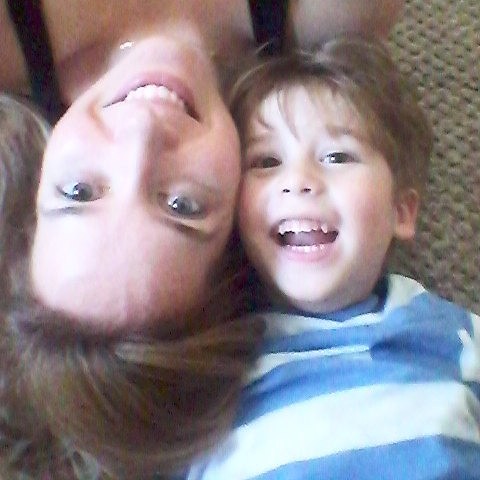

The past and future dissolved. And in that suspended instant, staring into this new soul’s eyes while feeling the weight of my own aging ones, now with the knowledge of what comes next for us all, I felt a profound sense of what it means to be human — one devoid of insecurity, fear, and the thousands of fucks we should really never give in the first place.
I looked into the eyes of this baby with an eternity ahead of him, and it gave me peace, because I understood, in that moment, that we never really leave and we never really lose.
Each new life — whether of our making or simply within our orbit — carries fragments of who we’ve been. They continue what we’ve loved, what we’ve learned, and even what we’ve lost. They carry the history of life itself.
Perhaps this tiny being, who moved me so deeply before he even arrived, and who still carries me into tears and thought now, exists to remind us of what we forget in the noise of adulthood and aging: Every beginning renews something we thought was over.
He is the beginning, and we are the end—and yet, somehow, we can meet again in the middle.
In that realization, I’m reminded that my time is still unfolding — and that it’s the smallest gestures, words, and actions that give life meaning, make it worth living, and quietly make the world better.
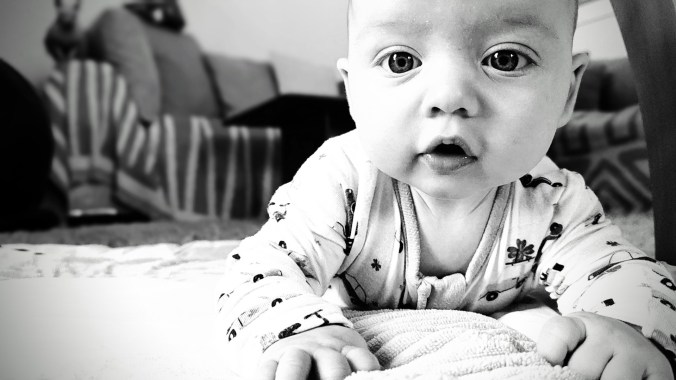
Bodhi — what a very big name … for such a tiny creature.
 Kaisha Trzaska